

Why High Intellect Does Not Guarantee Happiness in Life
Since childhood, we have been constantly told that the most important thing in life is to study well, get high grades, and develop your intellect. We are used to measuring a person's success by their knowledge, the number of books read, and their ability to solve complex logical problems. It seems that people with a high IQ automatically get a ticket to a happy and carefree life. However, in reality, we often observe a completely different picture. Brilliant programmers, outstanding scientists, or highly erudite specialists can have huge difficulties in communicating with colleagues, be unable to build strong family relationships, or constantly suffer from internal anxiety. The thing is that classical intelligence, measured by IQ tests, helps us work with numbers, facts, and logical schemes, but it is absolutely powerless when it comes to human feelings. Our daily life is not a mathematical equation. It is constant interaction with other people, making decisions under stress, experiencing losses and joys. If a person is a genius at programming but is unable to cope with their own anger after a minor setback, their high intellect is unlikely to make them happy. True harmony and satisfaction in life depend largely not on how many facts you remember, but on how well you understand yourself and others. That is why the ability to recognize emotions and manage them often turns out to be a much more important factor for achieving personal happiness than any diplomas or certificates.
What Emotional Intelligence is Actually Made Of
The term "emotional intelligence" is often heard in conversations, but not everyone fully understands what it exactly means. It's not about always being nice, smiling, or constantly compromising. In fact, it is a set of very specific and practical skills that can be developed throughout life. It is usually divided into several key components. The first and most important is self-awareness. This is the ability to honestly answer the question for yourself: "What am I feeling right now and why?". It sounds simple, but in practice, many people confuse fatigue with irritation, and fear with aggression. The second component is self-regulation, which is the ability not just to notice an emotion, but also to choose what to do with it. For example, you may feel intense anger, but instead of yelling at loved ones, you take a deep breath and find a constructive way to solve the problem. The third part is empathy, the ability to understand the feelings of other people, to read their mood not only through words but also through body language and intonation. This helps build trusting and strong relationships. And finally, the fourth component is social skills, which is the ability to effectively interact with those around you, resolve conflicts without fighting, negotiate, and support one another. Developed emotional intelligence acts as an internal navigator that helps you confidently steer through life's storms without losing touch with your true desires and the needs of those around you.
How to Learn to Recognize Your Feelings Before They Take Over
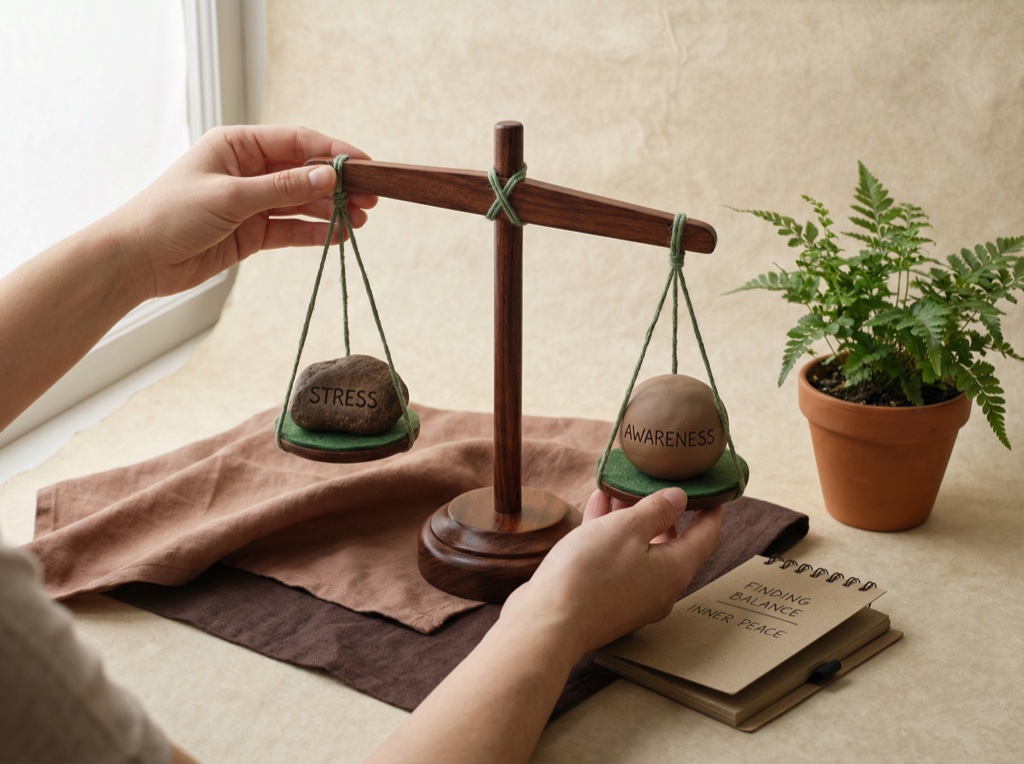
Imagine a situation: you have been working on a project for a long time, you are tired, and then a colleague makes a minor remark. Instead of a calm response, you suddenly explode, say too much, and then regret your reaction for a long time. Such situations happen precisely when emotions accumulate unnoticed and at some point just get out of control, like water boiling over from a pot. To avoid this, you need to learn to notice your feelings in the early stages, even before they reach a critical point. The best tool for this is our own body. Emotions always begin with physical sensations. If you learn to pay attention to these signals, you can stop the storm before it starts. For example, when we start to get angry, our heartbeat often quickens, our jaws clench, our shoulders tense, or our breathing becomes erratic. If you notice these physical signs during an unpleasant conversation, it's a clear signal: your nervous system is going into defense mode. Instead of continuing the argument, take a short pause. Drink some water, go wash your face, or just take a few deep breaths. Another useful practice is creating a habit of regularly "scanning" your state throughout the day. A few times a day, stop for a minute and ask yourself: "How am I feeling right now? Am I comfortable, sad, anxious?". The more often you name your emotions out loud or at least in your mind, the better your brain will learn to identify them. This will give you precious time between the stimulus and your reaction, allowing you to choose your behavior rather than acting on autopilot.
What to Do With Anger: Safe Ways to Process Mad Feelings
In our society, anger is often considered a "bad" emotion. From childhood, we are taught to suppress anger, to keep quiet, not to show our displeasure. But anger is an absolutely natural, healthy, and even useful reaction of our body. It is our internal guard, signaling that someone is crossing our boundaries, that we are being treated unfairly, or that a situation requires urgent changes. The problem is not the anger itself, but how we express it. If we constantly "swallow" our resentment, it does not disappear anywhere; it settles in the body, turning into chronic stress, apathy, or health problems. On the other hand, screaming and destroying everything around is not the answer either, as it ruins relationships and leaves a sense of guilt. The main task is to learn to process your anger ecologically and safely, both for yourself and for those around you. If you feel that you are about to snap, do not try to pretend that everything is fine. The best thing is to change your environment and give your body the opportunity to release the tension through physical activity. Walk at a fast pace, do a few squats, tear a piece of paper into tiny pieces, or just clench your fists tightly and then slowly relax them. Physical action helps lower the level of stress hormones in the blood. When the first wave of emotions subsides and you can think rationally, return to the situation. Instead of blaming the person with phrases like "You always do everything wrong," try to talk about your feelings: "I get very angry when my things are taken without permission." This will help convey your point and will not provoke the other person into a defensive counterattack.
Empathy Without Harming Yourself: How to Understand Others Without Getting Exhausted
The ability to empathize and feel another person's pain is a wonderful and highly valuable character trait. Empathetic people make the best friends, attentive partners, and caring colleagues. However, this coin also has a flip side. If you deeply take on the problems of everyone around you, you risk losing your own resources very quickly and facing emotional burnout. This is a state where you have absorbed so much of someone else's sadness or anxiety that you simply have no strength left for your own life. To help others and not destroy yourself in the process, it is critical to learn to separate your emotions from the emotions of other people. Imagine that your empathy is a life preserver. You throw it to a person drowning in a sea of problems to help them stay afloat. But you must not jump into the cold water with them yourself, otherwise you will both drown. To sympathize means to be near, to listen, to support with a kind word and to say: "I understand how hard it is for you right now." But this does not mean that you are obligated to take on the full weight of their worries or immediately solve all their problems for them. It's important to know when to stop. If you feel that a conversation with someone is draining all your strength, allow yourself to honestly but gently say: "I really want to support you, but right now I don't have the emotional strength for it, let's talk a little later." Healthy personal boundaries do not make you a bad friend or an indifferent person. On the contrary, only by preserving your own resource and peace will you be able to truly help those who need it.
Simple Daily Habits for Developing Inner Balance
Emotional intelligence is not a quality that can be just switched on by reading one article. It is like a muscle that needs to be trained regularly and with patience. To learn to better understand yourself and maintain inner harmony, it is not at all necessary to spend hours every day on complex meditations or reflections. It is enough to introduce a few simple and pleasant habits into your life that will not take much time. One of the most effective practices is keeping an emotion journal. Try to spend 5-10 minutes at the end of the day writing down your most vivid experiences. You don't need to write long essays, just record: what brought you joy today, what irritated you, and what caused sadness. When you transfer your thoughts to paper, they lose their frightening power and become structured and understandable. Another useful habit is an information detox. Every day we consume a huge amount of news, images, and other people's opinions on social media, which constantly overloads our nervous system. Make a deal with yourself to put your phone away at least an hour before sleep and not check the news feed. Use this time to simply be in silence, take a warm shower, or read a book. It is also very important to learn to find time for activities that bring you sincere joy without any specific results. This could be walking in the park without headphones, drawing, taking care of plants, or cooking your favorite dish. Such simple things help you to "ground" yourself, regain touch with yourself, and build a solid foundation of calm that will protect you from daily stress and anxiety.